International Solar, Storage, Renewables, EV, Power & Electrical Exhibition | 16–18 Feb 2027 | Lagos, Nigeria
International Solar, Storage, Renewables, EV, Power & Electrical Exhibition | 16–18 Feb 2027 | Lagos, Nigeria
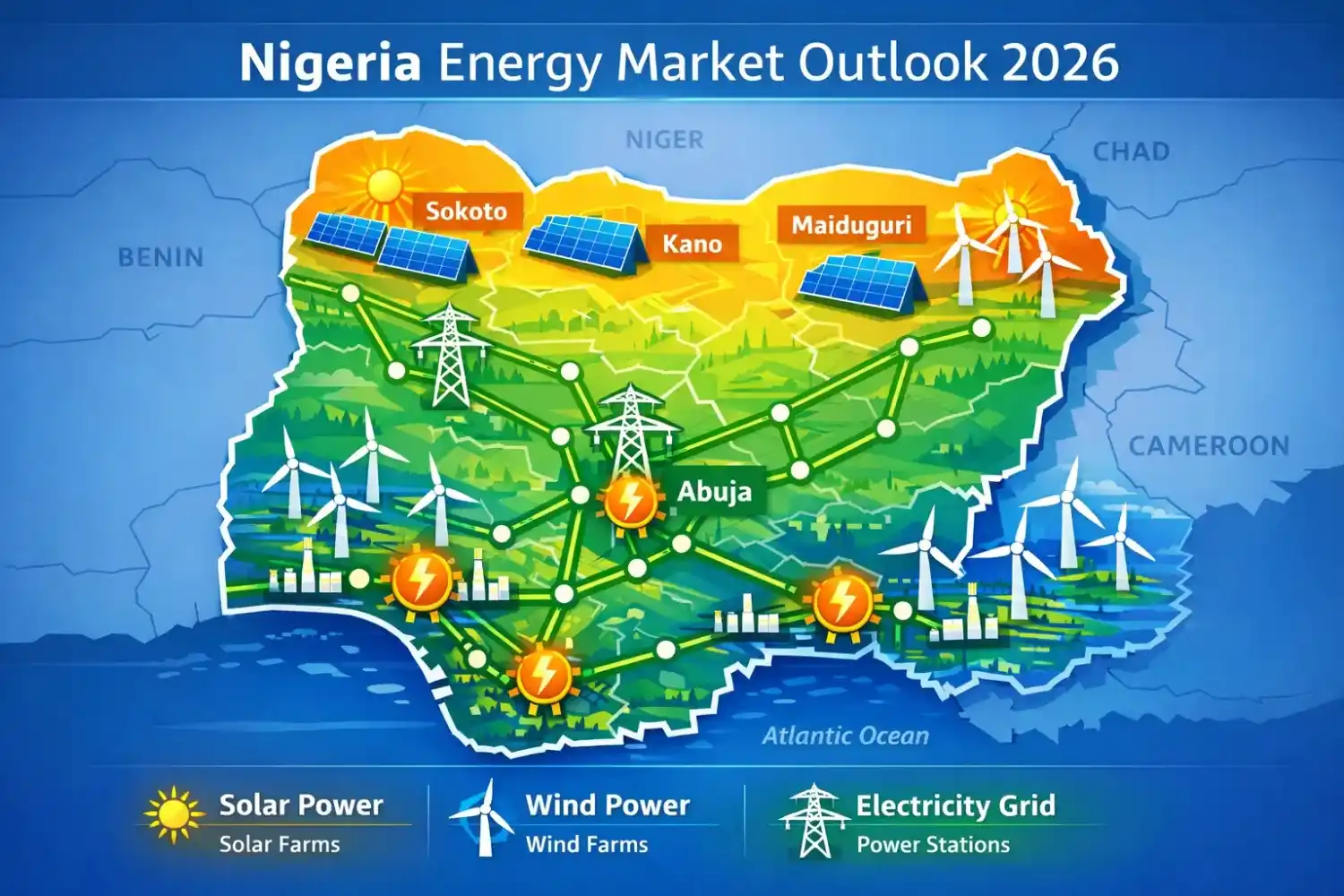
Nigeria’s energy sector is entering a decisive growth phase in 2026, driven by renewable energy expansion, power sector reforms, and rising domestic and international investments. As Africa’s most populous country, Nigeria remains one of the largest and fastest-growing energy markets in West Africa, offering significant opportunities across power generation, transmission, distribution, and clean energy solutions.
By 2026, Nigeria’s economy is expected to maintain strong momentum supported by policy reforms, infrastructure development, and energy transition initiatives. Government-led measures to improve the business environment, stabilize inflation, and attract foreign investment are strengthening Nigeria’s position as a regional energy hub.
The energy sector remains a key priority, with increasing focus on:
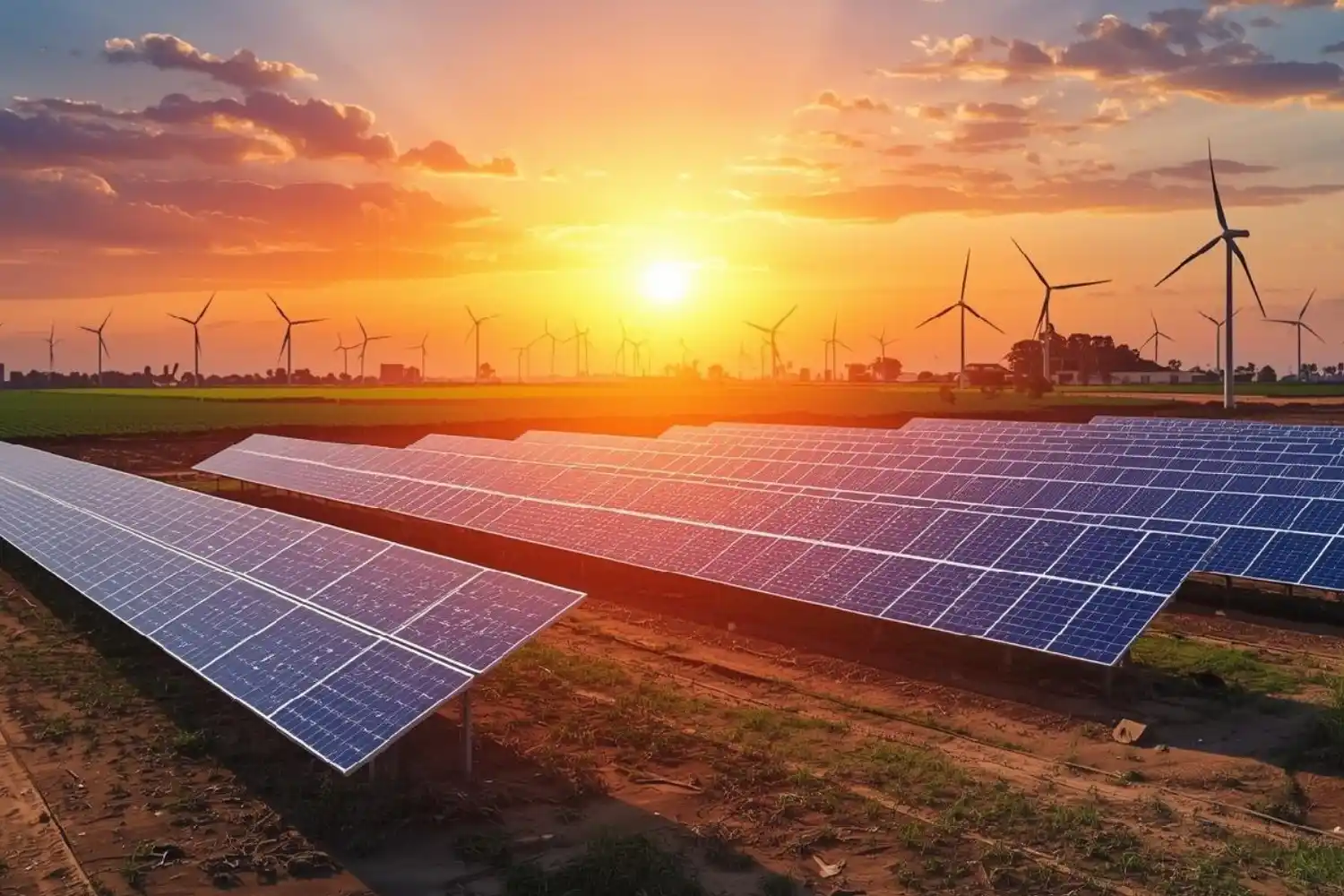
Renewable energy will play a central role in Nigeria’s energy strategy by 2026. The country possesses abundant renewable resources, including solar, wind, small hydropower, and biomass energy, making it well-positioned to accelerate clean energy adoption.
Key renewable energy drivers for 2026:
According to industry estimates and government targets:
Nigeria’s renewable energy market is projected to grow at a strong CAGR through 2029, driven by distributed generation and utility-scale projects.
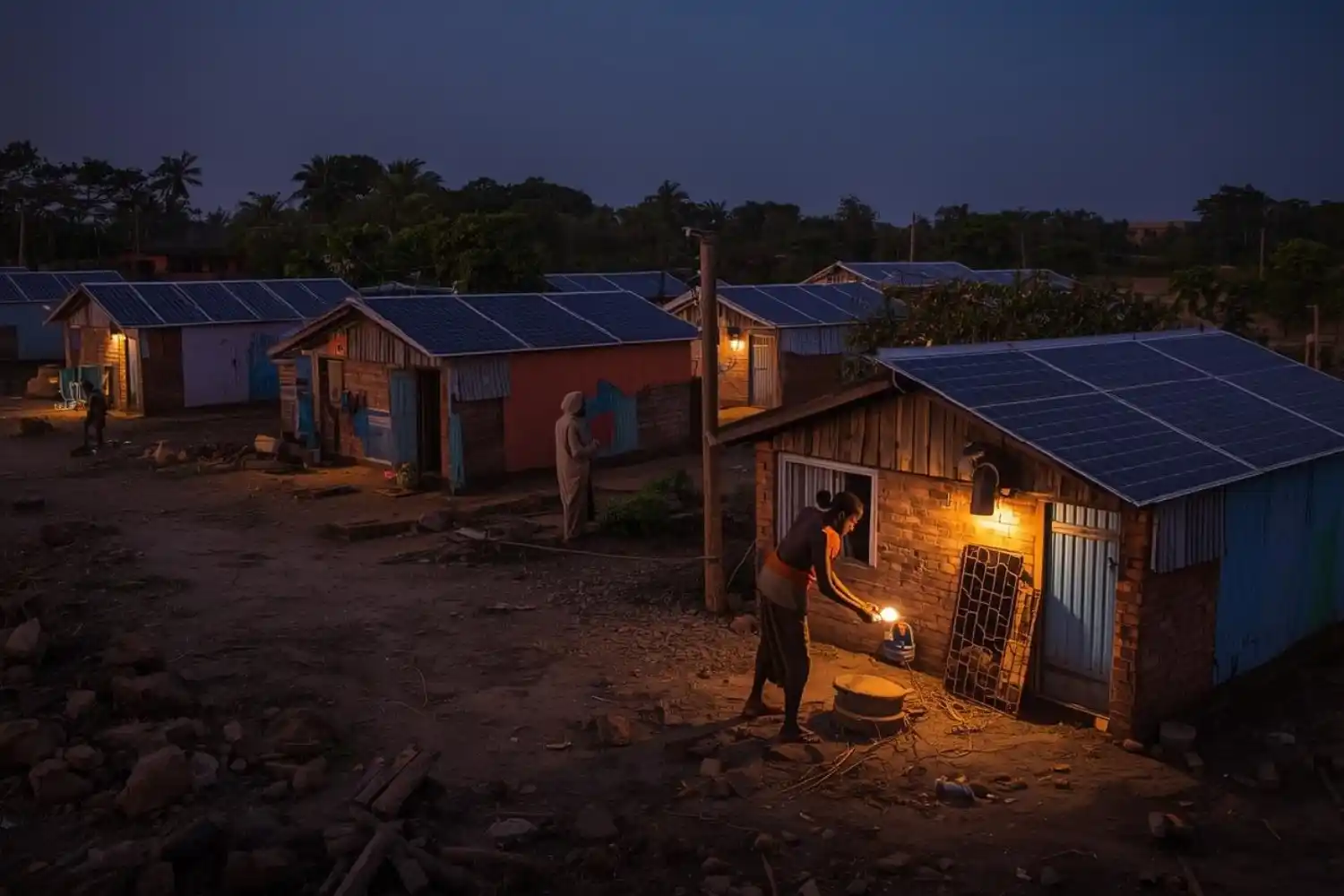
Expanding electricity access remains a national priority heading into 2026. Off-grid solutions, solar home systems, and mini-grids in Nigeria are playing a critical role in bridging the power gap.
Key initiatives shaping 2026 include:
Programs under the Nigeria Electrification Programme (NEP) and upcoming renewable energy scale-up initiatives are expected to significantly increase energy access by 2026.
Despite progress, Nigeria’s power sector continues to face structural challenges, creating strong opportunities for technology providers, investors, and solution developers.
Key challenges and opportunities:
By 2026, the renewable energy sector could unlock large-scale job creation, reduce energy costs, and improve energy security nationwide.
The National Integrated Electricity Policy and Strategic Implementation Plan (NIEP-SIP) is expected to deliver tangible outcomes by 2026, including:
These reforms are designed to create a resilient, efficient, and investment-ready power sector.
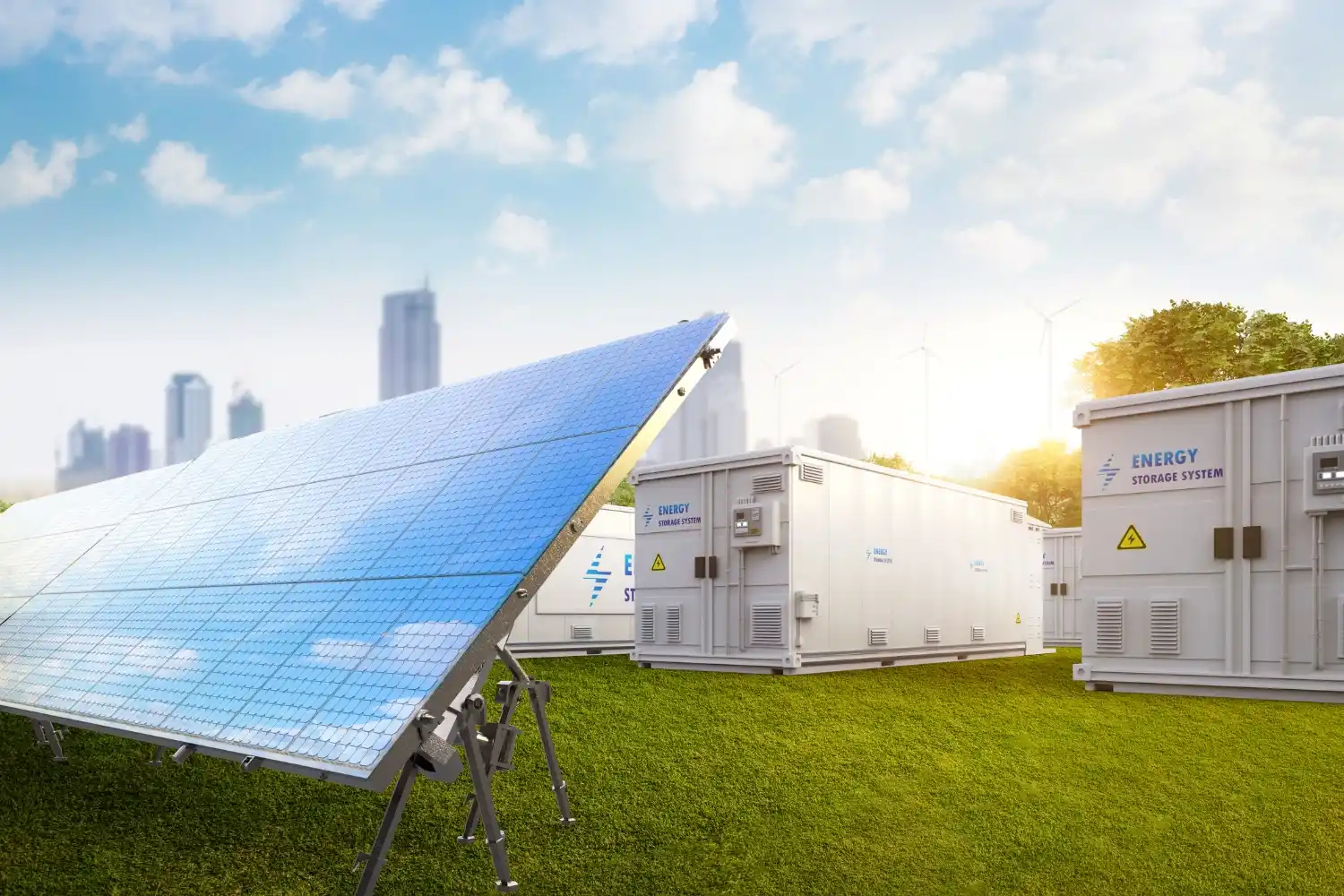
Solar energy will dominate Nigeria’s clean energy landscape in 2026, supported by favorable policy, financing models, and technological innovation.
Solar energy trends in 2026:
Solar energy’s adaptability across urban, rural, and industrial applications positions it as a cornerstone of Nigeria’s energy transition.
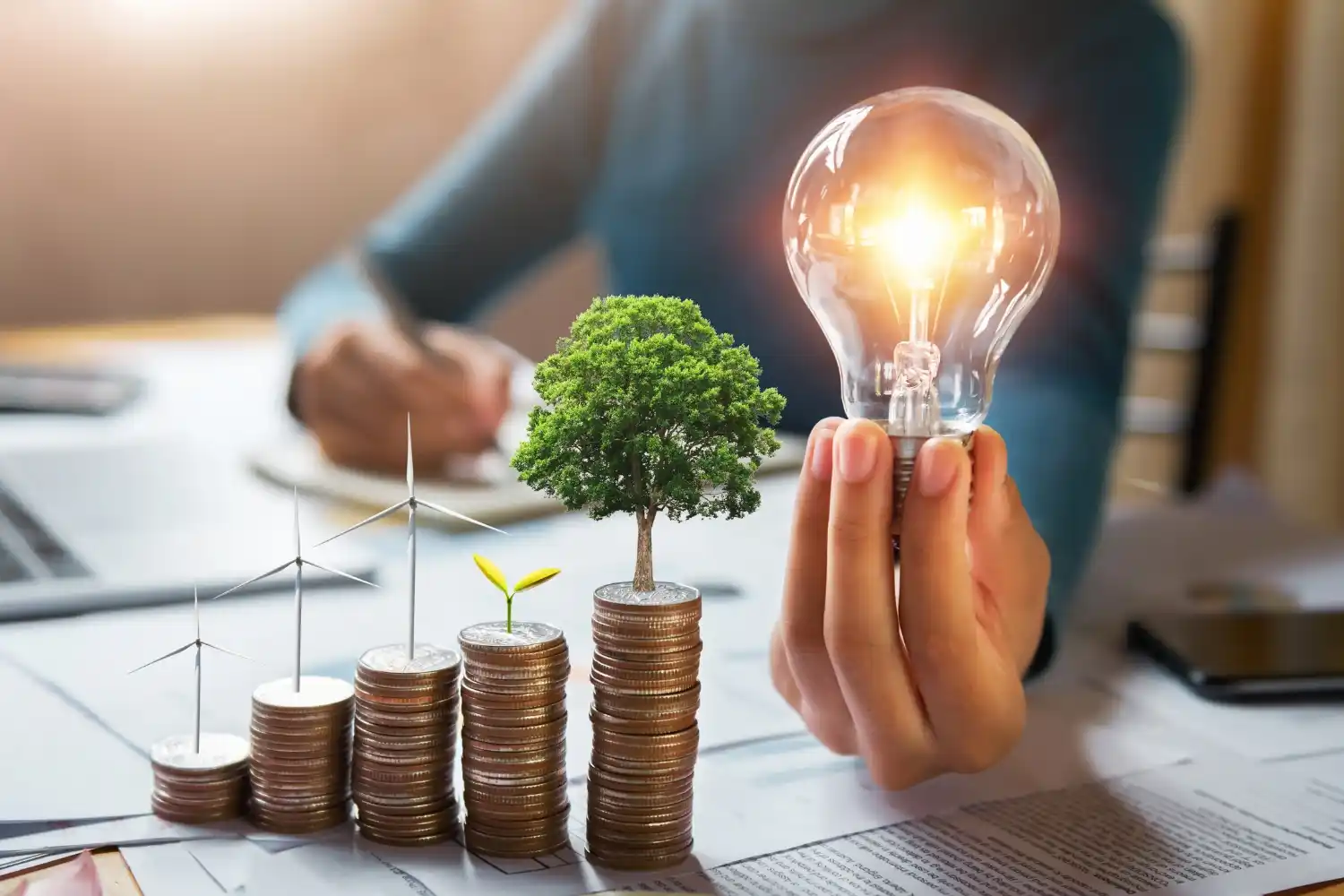
Nigeria’s energy market in 2026 offers significant opportunities for:
High-growth segments include:
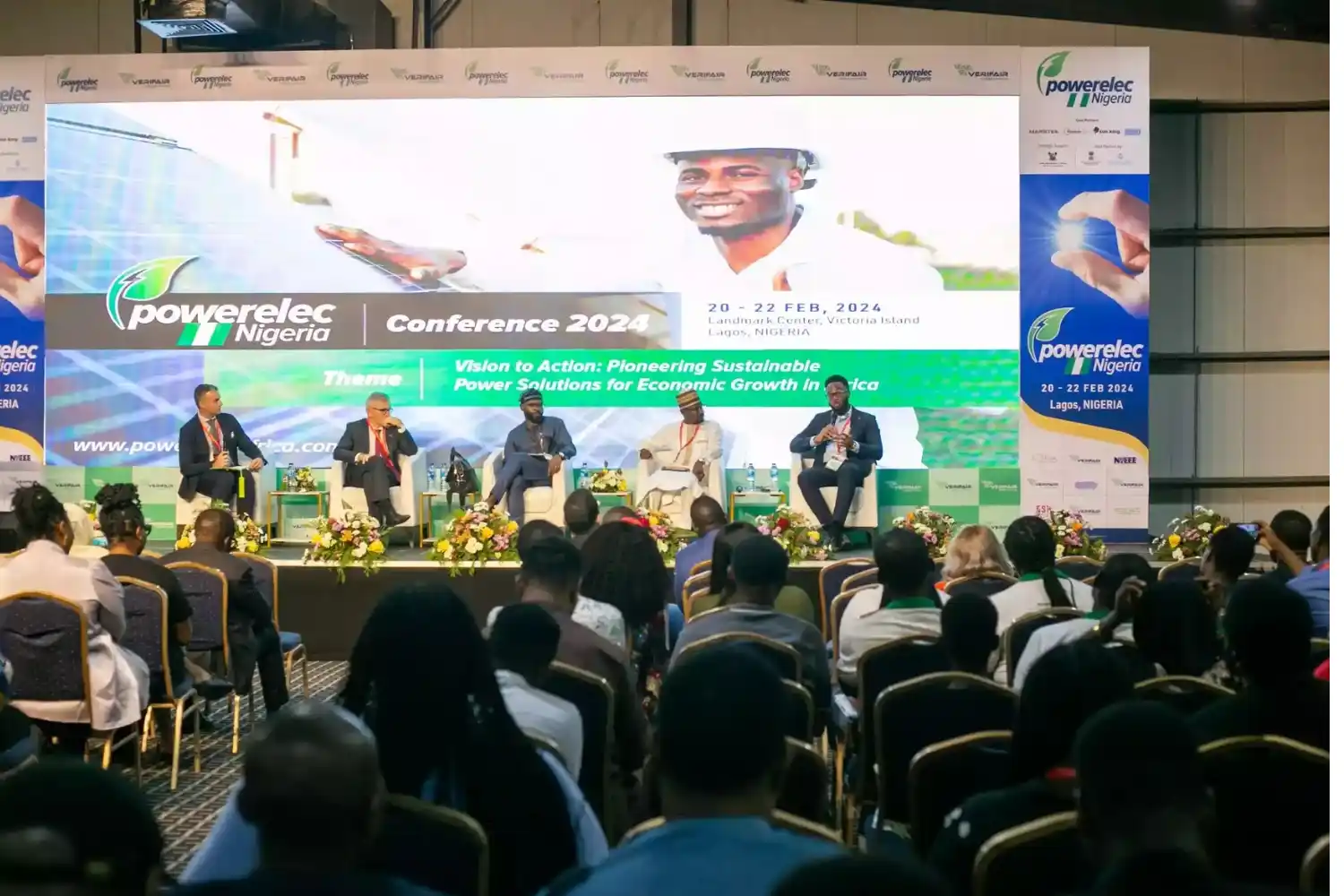
Powerelec Nigeria 2026 is the premier power and energy exhibition and conference in Nigeria, bringing together key stakeholders from across the energy value chain.
Why Attend Powerelec Nigeria 2026?
Powerelec Nigeria 2026 serves as the gateway to Nigeria’s energy market, enabling collaboration, investment, and innovation.
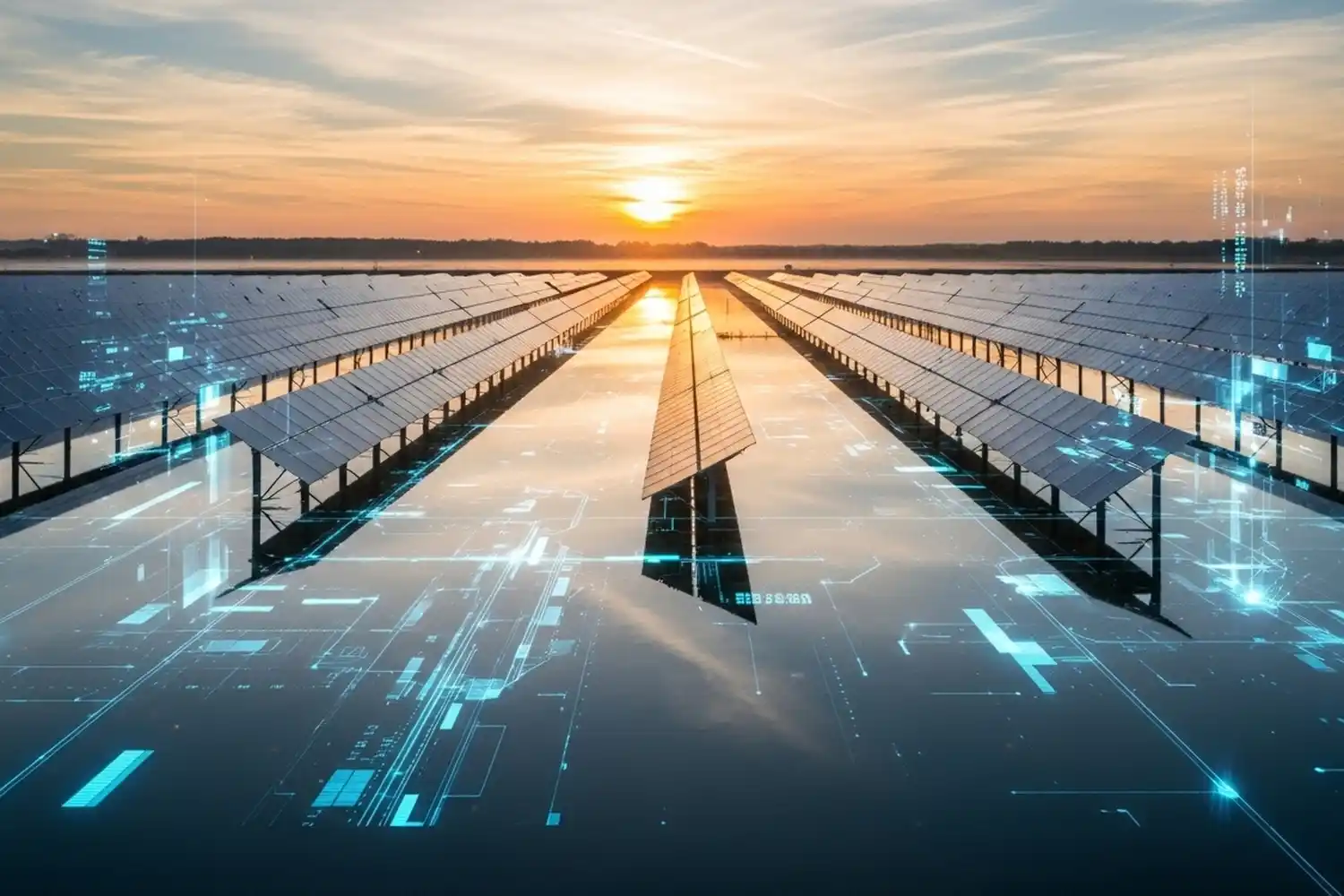
Whether you are an energy investor, policymaker, technology provider, or developer, Powerelec Nigeria 2026 offers unmatched insights into Nigeria’s energy market, opportunities, and future trends.
REGISTER NOW
ID: wxid_es30c2b87uzj22
Phone: +971 50 704 8024
Scan this QR code in WeChat to start chat